The Electrification Imperative: Bridging the Gap in North Sea Asset Longevity
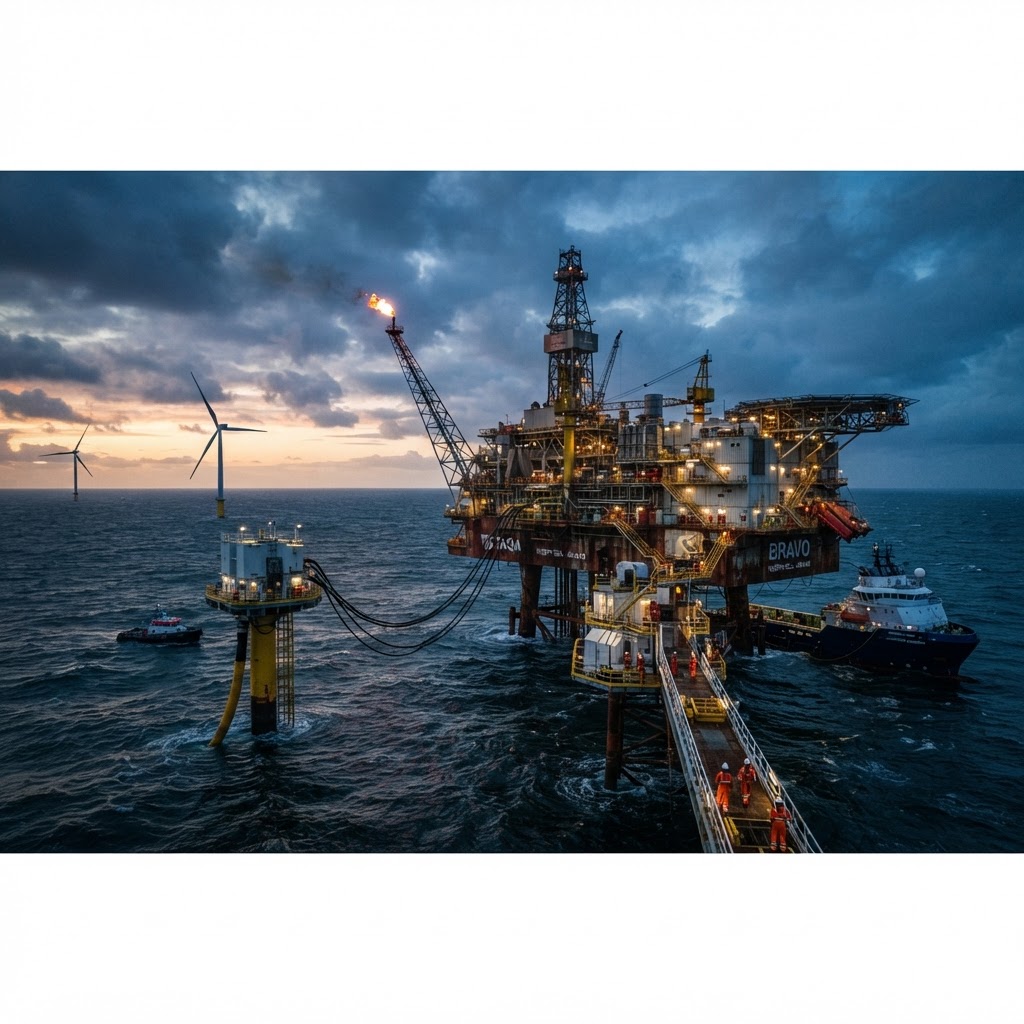
Recent approvals for major offshore electrification projects in the North Sea highlight a strategic shift where operators must balance decarbonization with capital efficiency to ensure long-term asset viability.
Navigating the Low-Carbon Transition Offshore
As we navigate the mid-point of the decade, the North Sea is witnessing a critical pivot point in its operational history. The push for platform electrification—connecting offshore assets to the onshore power grid or dedicated floating wind farms—has moved from theoretical discussion to large-scale capital deployment. For mature basins like the UK Continental Shelf and the Norwegian North Sea, this is not merely an environmental mandate; it is a strategic necessity for asset longevity. Without reducing the carbon intensity of production, operators face increasing regulatory pressure and a diminishing social license to operate.
From the perspective of an energy consultant, the decision to electrify is a complex balancing act of capital efficiency and risk management. The engineering challenges are formidable: retrofitting aging platforms with high-voltage equipment while maintaining production is a high-wire act of logistics and safety. Here, lean engineering principles are paramount. Strategic advisory must focus on identifying the assets where electrification offers the highest return on carbon reduction relative to the remaining reserve life. It is not a one-size-fits-all solution, and miscalculating the remaining life-of-field can lead to stranded capital.
One of the emerging trends we are monitoring at Atticus Energy is the development of "energy hubs." Rather than individual assets building bespoke power links, we are seeing the rise of clustered electrification projects. By sharing the infrastructure costs across multiple fields and operators, the industry can achieve economies of scale that were previously unthinkable. This collaborative model represents a significant shift in the competitive landscape of the North Sea, requiring a new level of strategic alignment between historically rivalrous entities. It requires a consultant’s eye to facilitate these cross-border and cross-operator joint ventures.
The economic viability of these projects is often underpinned by government subsidies or carbon pricing mechanisms. However, as strategic advisors, we caution clients against over-reliance on policy-driven incentives. The real value of electrification lies in the operational de-risking of the asset. Electric-driven compressors and pumps are generally more reliable and require less maintenance than their gas-turbine counterparts. By reducing downtime and lowering operational expenditures over the long term, electrification can actually extend the economic life of a field, allowing for higher ultimate recovery. As the North Sea continues to evolve, the ability to execute these complex brownfield projects with precision will distinguish the leaders from the laggards in the global energy transition.
Source: https://www.reuters.com/business/energy/north-sea-electrification-projects-greenlit-2026