Energy Realism: Navigating the Strait of Hormuz and Global Supply Security
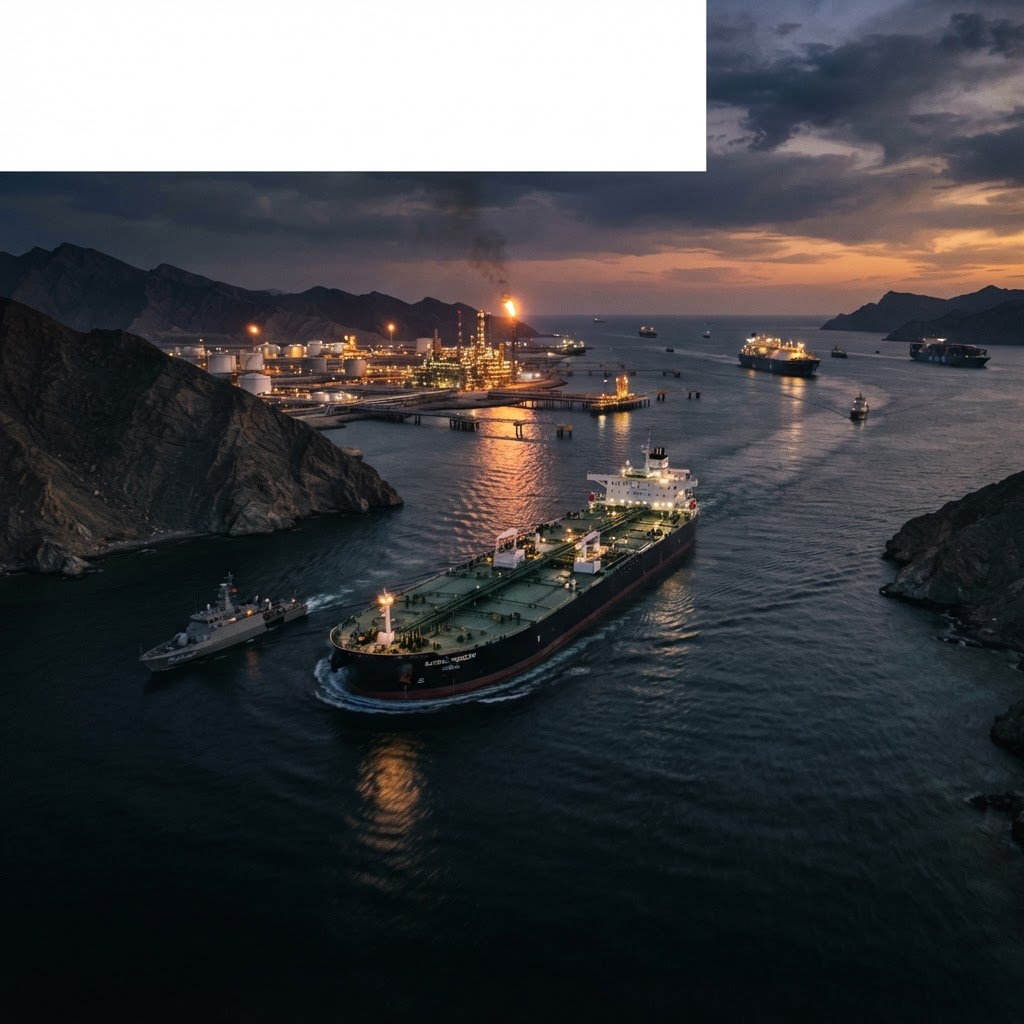
Following discussions at SPE ATCE 2026, we analyze the shift toward 'energy realism' as geopolitical tensions in the Strait of Hormuz force a rethink of global energy security.
The recent SPE ATCE 2026 conference brought a sobering reality to the forefront of the energy transition debate: the concept of 'energy realism.' As the Strait of Hormuz remains a focal point of geopolitical instability, the industry is being forced to confront the fragility of global energy supply chains. For Atticus Energy’s clients, this necessitates a fundamental shift in how we approach capital investment and project planning.
Redefining Resilience
For decades, the industry operated under the assumption of frictionless global trade. Today, that model is obsolete. The prolonged disruption in the Gulf has highlighted the critical need for infrastructure redundancy and strategic storage. We are seeing a move away from just-in-time logistics toward a more robust, localized approach to energy security. This includes not only the diversification of export routes but also the acceleration of domestic gas field developments, such as the recent progress seen in the UAE’s Hadiba field.
The Investment Paradox
The paradox facing energy leaders today is the tension between the long-term goals of the energy transition and the immediate requirement for reliable, affordable hydrocarbons. As 85% of energy leaders report a stronger investment appeal for oil and gas, it is clear that the market is prioritizing security. However, this investment must be channeled into 'smart' capacity—projects that are not only productive but also optimized for lower carbon intensity. As consultants, we advocate for a balanced portfolio: investing in the necessary fossil fuel infrastructure to maintain global stability while simultaneously integrating carbon capture and methane detection technologies. The future of energy in the Middle East will be defined by those who can successfully navigate this dual mandate, ensuring that energy security does not come at the expense of long-term sustainability goals.