Energy Realism: Navigating the New Geopolitical Risk Premium
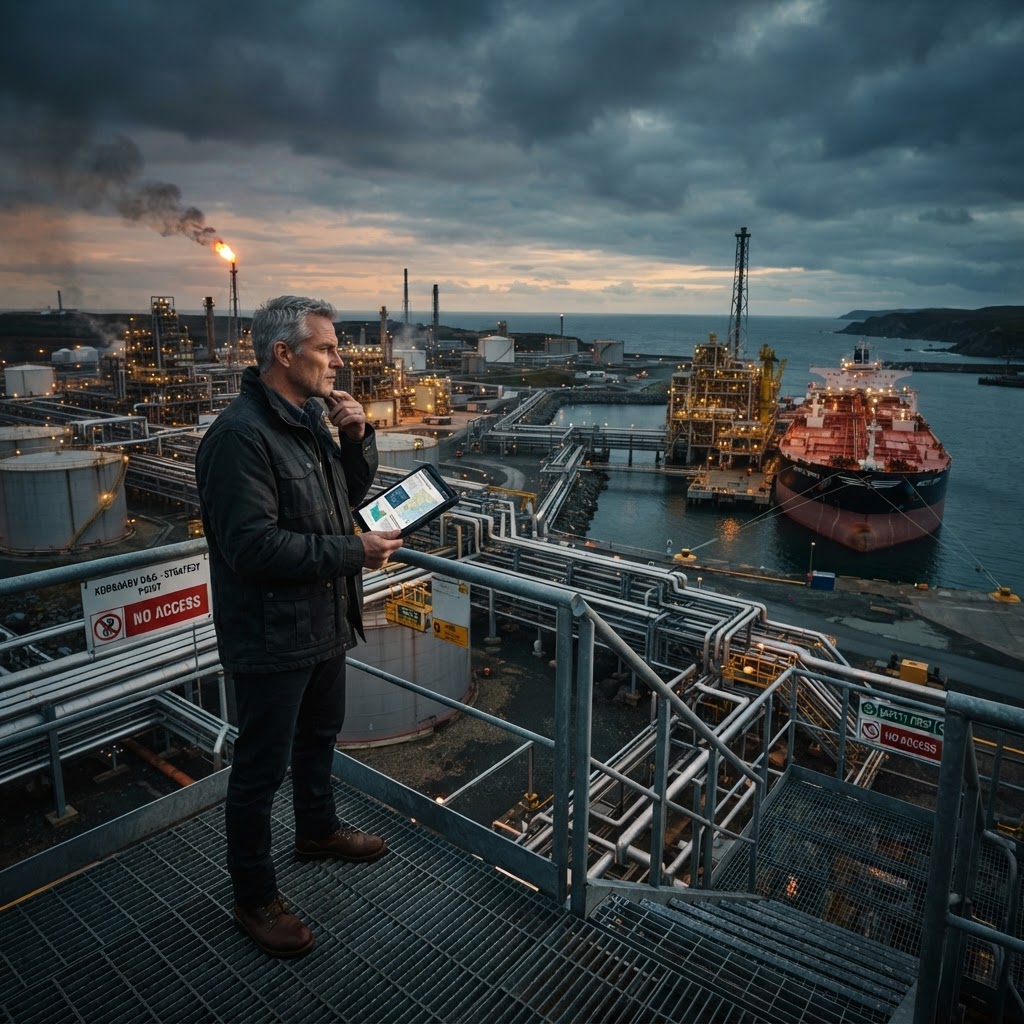
As the Strait of Hormuz remains a focal point of global volatility, the industry must pivot from theoretical transition models to a strategy of energy realism that prioritizes security and infrastructure resilience.
The recent discussions at SPE ATCE 2026 have underscored a sobering reality for our industry: the era of assuming uninterrupted global energy flows is effectively over. As consultants working at the intersection of Middle Eastern production and European demand, we are witnessing a fundamental shift in how capital investment is being evaluated. The prolonged disruption in the Strait of Hormuz has moved beyond a temporary logistical hurdle; it has become a permanent fixture in the risk-adjusted cost of capital for upstream projects.
The Shift Toward Energy Realism
For years, the industry has been heavily focused on the mechanics of the energy transition. However, the current geopolitical climate is forcing a return to 'energy realism.' This is not a retreat from sustainability, but rather an acknowledgment that energy security is the prerequisite for any successful transition. When we advise our clients on project delivery, we are no longer just looking at reservoir performance or CAPEX efficiency; we are stress-testing supply chains against the reality of regional chokepoints.
The data is clear: energy-importing nations are increasingly vulnerable to price shocks, and the Middle East is being forced to diversify its export infrastructure. We are seeing a surge in interest for bypass pipelines and alternative storage solutions, such as the planned Saudi-Singapore storage collaboration. For engineering firms, this represents a massive opportunity to pivot toward infrastructure that offers strategic optionality.
Strategic Implications for Project Delivery
From an engineering perspective, the focus must shift toward modularity and redundancy. Projects that were once designed for maximum throughput must now be designed for maximum resilience. This means investing in digital twin technology to monitor infrastructure integrity in real-time and developing robust contingency plans for export logistics. As we look toward 2027, the firms that will thrive are those that can integrate these geopolitical realities into their project lifecycle management. We must move away from the 'just-in-time' delivery mindset and embrace a 'just-in-case' philosophy, ensuring that our clients' assets remain operational even when the global landscape is anything but stable.