Navigating the New Normal: Engineering Resilience Amidst Middle Eastern Volatility
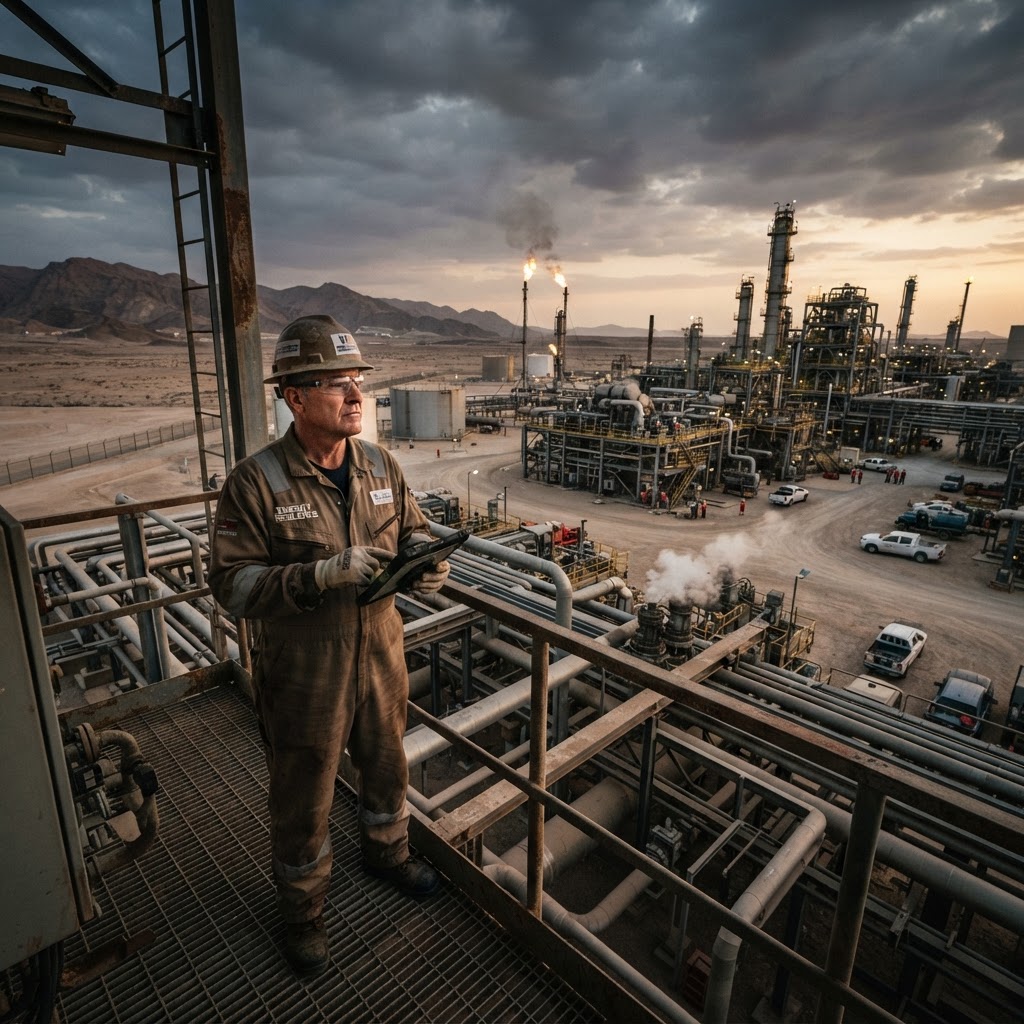
Recent geopolitical disruptions in the Middle East are forcing a fundamental rethink of energy infrastructure design, shifting the focus from pure efficiency to modular resilience.
The recent escalation of hostilities in the Middle East, marked by strikes on Iranian energy infrastructure and subsequent retaliatory shutdowns as reported on August 11, 2026, serves as a stark reminder of the fragility of global energy supply chains. For engineering and strategic advisory firms like Atticus Energy, these events are not merely headlines; they are catalysts for a fundamental rethink of how we design, deliver, and maintain energy assets in high-risk environments.
The Shift to Modular Resilience
In the past, the primary focus of oil and gas engineering in the GCC was scale and efficiency. However, the current geopolitical climate demands a pivot toward modularity and rapid-response capabilities. When major facilities are forced into emergency shutdowns, the cost of downtime is measured in millions per hour. Lean engineering must now encompass the ability to isolate damaged segments of a network without compromising the entire system. We are advising our clients to invest in 'smart' infrastructure—assets equipped with advanced sensors and automated bypass systems that can maintain partial operations even under duress.
Furthermore, the 'lean' philosophy we champion at Atticus is evolving. It is no longer just about reducing waste in the construction phase; it is about operational lean-ness. This means streamlining the supply chain for critical spare parts and utilizing digital twins to simulate various disruption scenarios. By stress-testing projects in a virtual environment before a single pipe is laid, we can identify vulnerabilities that traditional engineering might overlook.
Strategic Advisory in a Fragmented World
From a strategic perspective, the current volatility underscores the importance of energy security as a primary driver of capital investment. While the energy transition remains a long-term goal, the immediate priority for many regional players is the hardening of existing assets. This creates a unique challenge for project delivery: how do we integrate modern security and resilience features into legacy infrastructure without blowing the budget? The answer lies in targeted, high-impact upgrades rather than wholesale replacements. As we navigate the remainder of 2026, the winners in the energy sector will be those who view resilience not as a cost center, but as a competitive advantage.
Source: https://energynow.com/2026/03/oil-majors-output-in-the-middle-east/