The Maturity Mandate: Optimizing North Sea Assets for a Low-Carbon Future
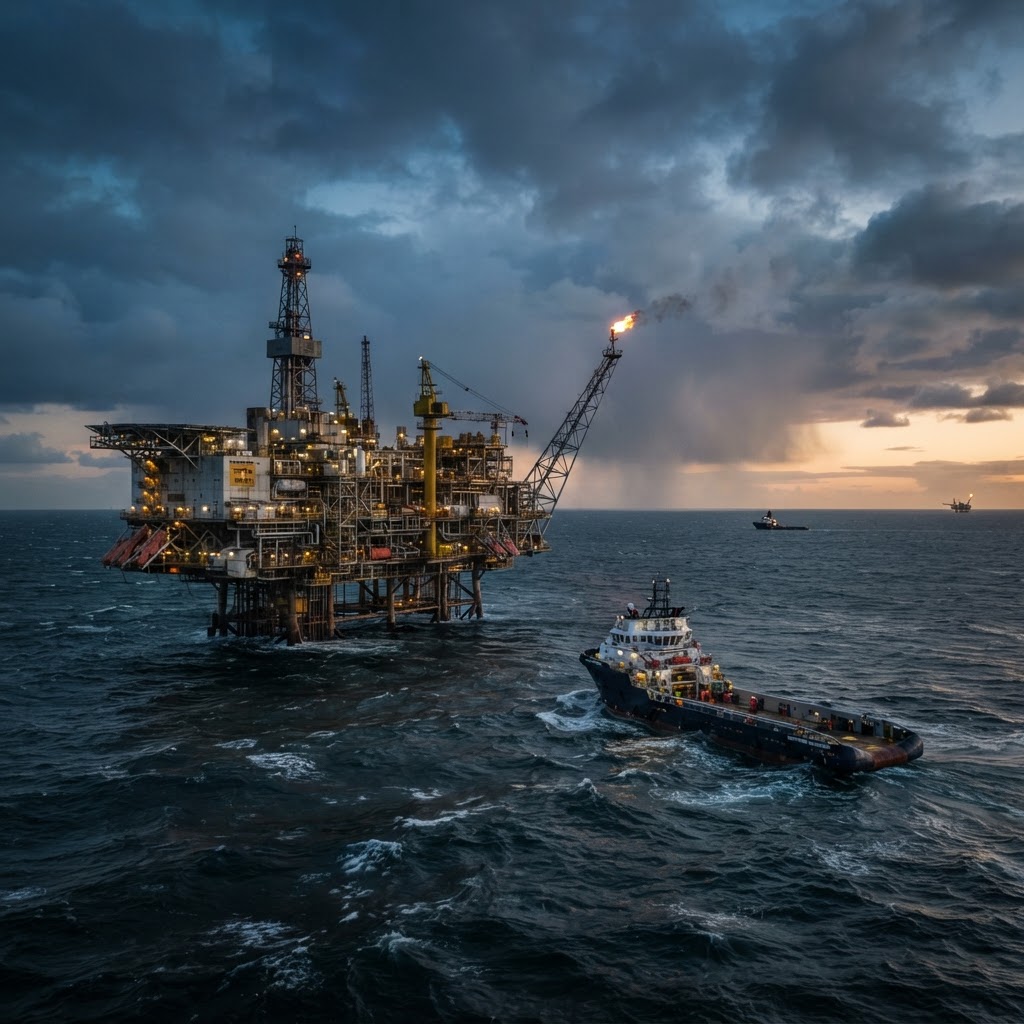
Balancing the extension of aging offshore assets with aggressive decarbonization targets requires more than just capital—it requires a fundamental shift in brownfield engineering.
The Brownfield Decarbonization Challenge
The North Sea remains one of the world’s most mature offshore basins, yet it finds itself at the epicenter of the global energy trilemma: security, affordability, and sustainability. Recent data from the North Sea Transition Authority (NSTA) highlights a growing trend among operators like Equinor and Shell to pivot toward 'electrification of assets' rather than simple decommissioning. For Atticus Energy, this represents a significant shift in the strategic advisory landscape. The challenge is no longer just about extracting the last drop of oil; it is about doing so with a carbon footprint that aligns with 2030 and 2050 net-zero targets.
Electrifying offshore platforms by connecting them to onshore grids or nearby wind farms is a massive engineering undertaking. It involves retrofitting aging infrastructure that was never designed for high-voltage power intake. We are seeing a surge in demand for specialized brownfield engineering services that can integrate subsea cables and transformer modules onto cramped topsides. This is where lean engineering principles become vital. Operators must balance the high CAPEX of electrification against the rising cost of carbon credits and the eventual cost of decommissioning. At Atticus, we argue that these investments are not just regulatory compliance costs; they are life-extension strategies that make assets more attractive for future divestment or carbon capture storage (CCS) repurposing.
Strategic Risk and Investment Flows
The investment climate in the North Sea is currently characterized by a cautious optimism tempered by fiscal volatility. While the recent 'Green Basin' initiatives provide a roadmap, the fluctuating windfall taxes in jurisdictions like the UK have made long-term capital allocation difficult. Investors are looking for stability and clear pathways for integrated energy hubs—where oil and gas production coexist with hydrogen generation and CCS. The successful projects of the late 2020s will be those that view offshore platforms as energy nodes rather than isolated extraction points. By leveraging existing pipelines for CO2 transport, the industry can transform a perceived liability into a central pillar of the European energy transition. For the strategic consultant, the message is clear: the future of the North Sea lies in the synergy between traditional extraction and innovative carbon management.