Navigating Volatility: The Strategic Imperative of Supply Chain Resilience in the Middle East
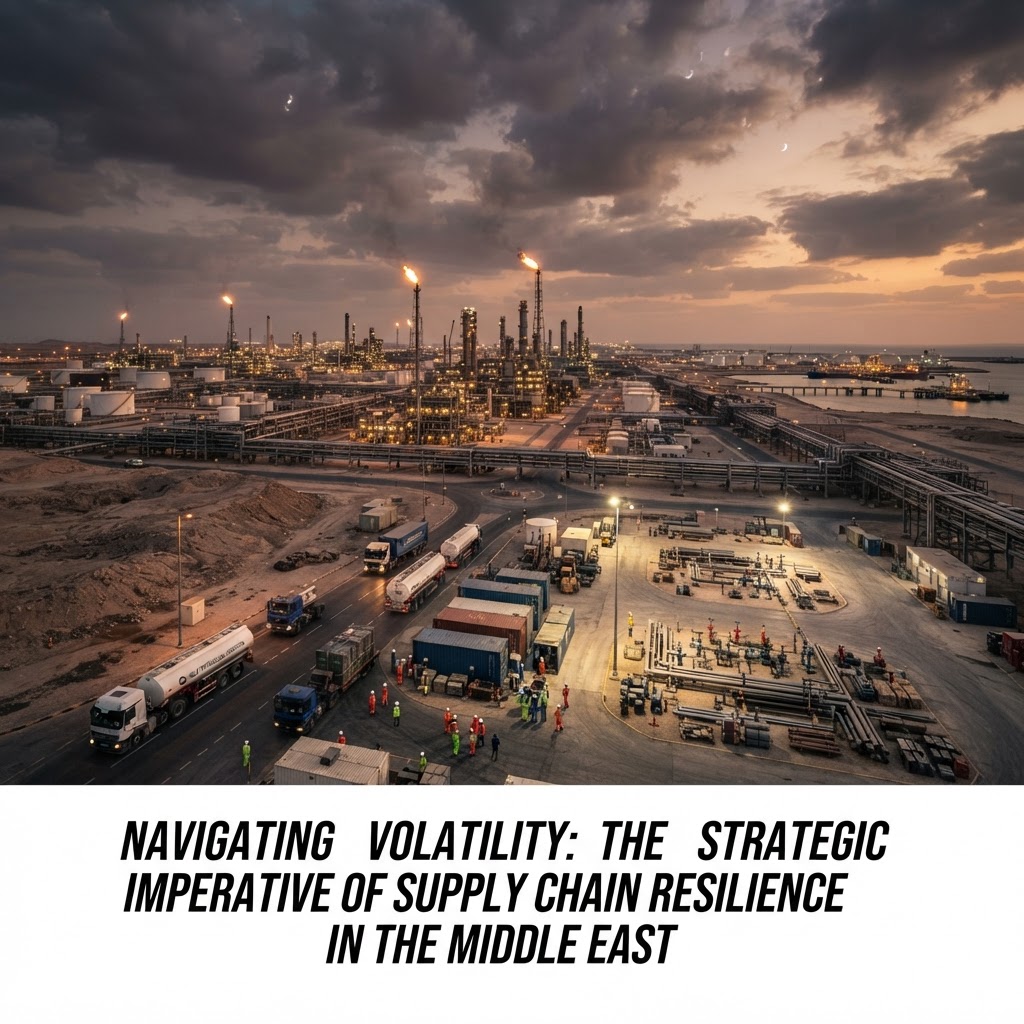
As geopolitical tensions in the Middle East drive oil prices toward the $100 threshold, Atticus Energy examines the critical need for infrastructure hardening and diversified logistics in project delivery.
The recent surge in global oil prices, with Brent crude briefly breaching the $100 per barrel mark, serves as a stark reminder of the fragility inherent in global energy supply chains. As reported in recent market analysis, escalating regional tensions and disruptions to critical transit routes have forced a re-evaluation of risk management strategies for operators across the GCC. For engineering firms and project developers, the current climate is no longer just about operational efficiency; it is about survival and the ability to maintain project continuity amidst systemic instability.
The Cost of Geopolitical Friction
When we look at the recent closure of key infrastructure like Saudi Arabia’s East-West Pipeline, the impact on global supply is immediate and profound. For our clients, this translates into a heightened focus on 'safe barrel' production and the necessity of fast-cycle drilling programs. The market is signaling a clear preference for projects that can demonstrate resilience against external shocks. At Atticus Energy, we advise that capital investment strategies must now incorporate a 'geopolitical risk premium' into their NPV calculations, accounting for potential delays in equipment procurement and the rising costs of maritime logistics.
Engineering for Resilience
From an engineering perspective, the focus is shifting toward modularization and localized supply chains. By reducing reliance on long-lead items sourced from volatile transit corridors, operators can mitigate the impact of regional bottlenecks. Furthermore, the integration of advanced digital monitoring systems allows for real-time asset protection, ensuring that critical infrastructure remains operational even when physical security is challenged. We are seeing a pivot toward 'hardened' project designs that prioritize redundancy in power and processing capabilities. As we move through the remainder of 2026, the winners in this sector will be those who treat supply chain resilience not as a secondary concern, but as a core pillar of their engineering and procurement strategy.