Beyond the Chokepoint: The Strategic Imperative of Resilient Export Infrastructure
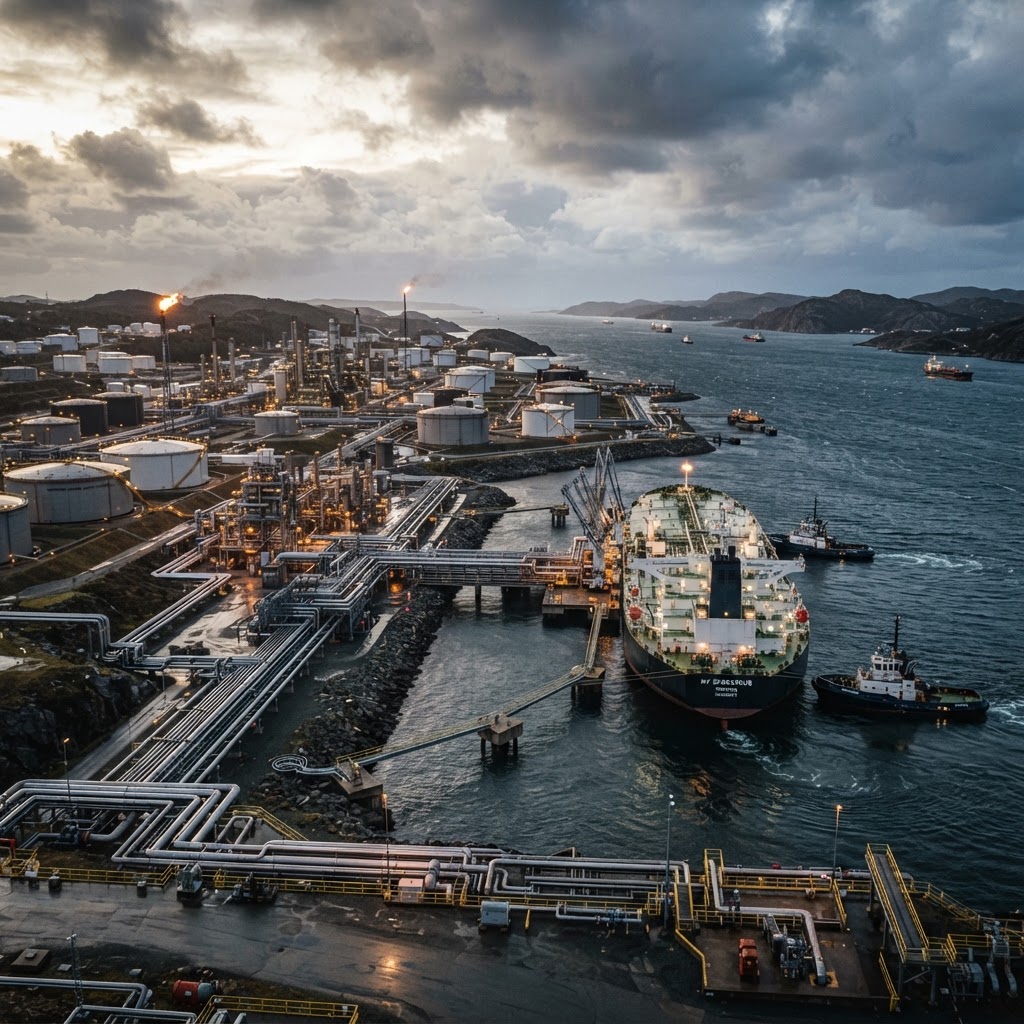
As the Strait of Hormuz reopens following recent disruptions, the strategic focus for GCC producers has shifted from short-term crisis management to the engineering of permanent, resilient bypass architecture.
The New Reality of Energy Logistics
In the wake of the recent de-escalation in the Middle East and the formal reopening of the Strait of Hormuz on June 18, 2026, the energy sector is pausing to evaluate a hard-learned lesson: the fragility of singular export corridors. While the EIA's July Short-Term Energy Outlook predicts a rebound in global output and a return to oversupply by 2027, for strategic consultants at Atticus Energy, the focus is not on the price rebound, but on the massive infrastructure pivot now underway in the GCC.
Engineering Resilience: The Bypass Architecture
The temporary closure of the world’s most critical maritime chokepoint has accelerated what we call 'Resilient Bypass Architecture.' The UAE and Saudi Arabia are no longer viewing pipeline redundancy as a luxury but as a core component of their capital investment strategy. The UAE’s fast-tracking of its second crude pipeline—now slated for completion by early 2027—and Saudi Aramco’s aggressive expansion of pipeline capacity toward the Red Sea signify a fundamental shift in regional engineering priorities. For project delivery teams, this means a surge in demand for high-capacity, multi-fuel pipeline systems capable of transporting refined products alongside crude.
The Strategic Advisory Perspective
From an advisory standpoint, the challenge is not just the physical laying of steel but the integration of these systems into a global digital supply chain. We are seeing a move toward 'smart corridors' that utilize real-time flow optimization to reroute volumes instantaneously based on geopolitical or technical risk. For investors, the capital allocation logic has shifted; the premium for 'bypass security' is now factored into the NPV of every new upstream project in the region. At Atticus Energy, we believe the next 36 months will be defined by the rapid execution of these land-based routes, effectively decoupling the Gulf’s production potential from maritime vulnerability.
Projecting the 2027 Horizon
As passage through Hormuz stabilizes, the industry must resist the urge to return to business as usual. The current deal between regional powers offers a window of opportunity to finalize these engineering marvels. By the time the markets reach the projected oversupply of 2027, the regional export map will look drastically different, with a heavy emphasis on multi-point egress. This is a transformation of the Middle East’s role from a source of energy to a resilient, multi-channel hub for global security.