Mitigating Chokepoints: Strategic Redirection and Resilient Logistics in Gulf Energy Infrastructure
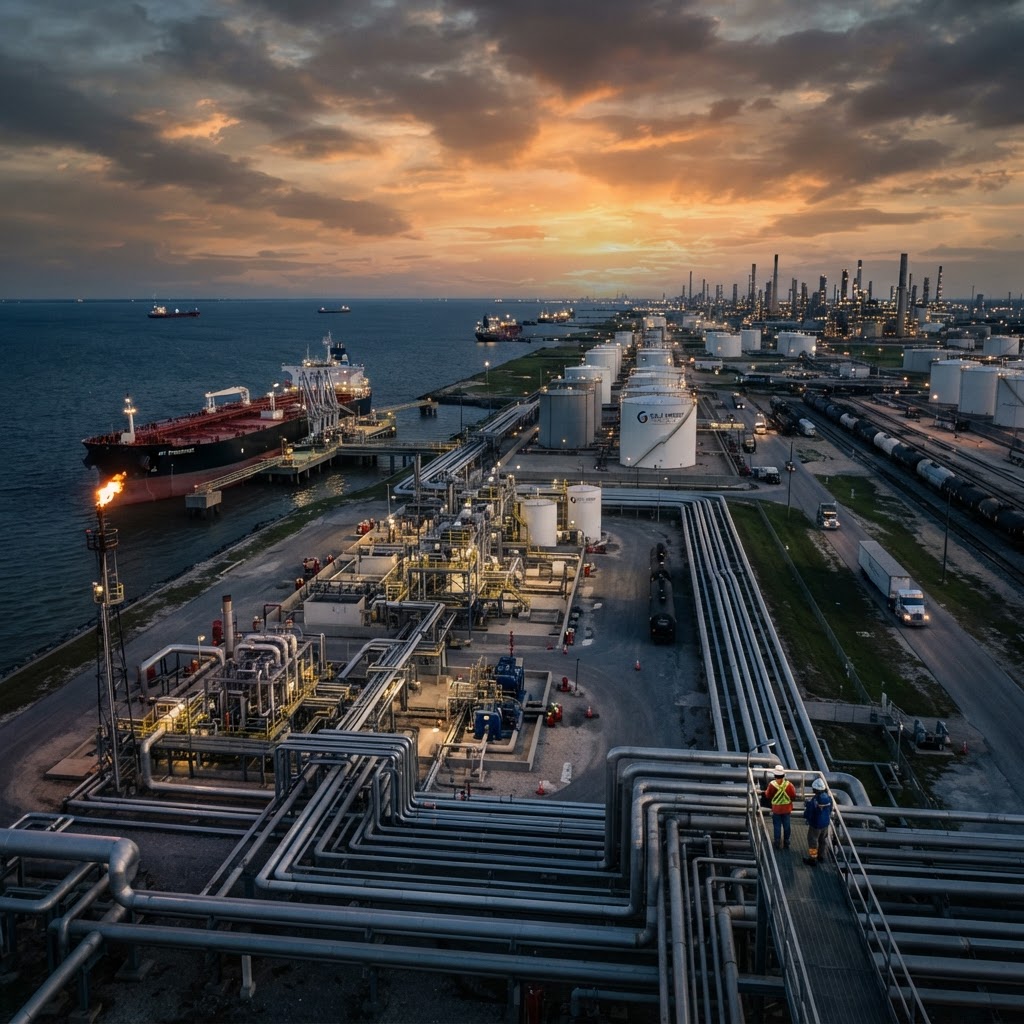
Heightened regional tensions are accelerating Middle Eastern pipeline debottlenecking and alternative routing strategies, driving major engineering upgrades across cross-country crude and gas arteries.
Persistent geopolitical friction across critical maritime corridors has once again brought midstream infrastructure resilience to the forefront of strategic planning across the Gulf Cooperation Council (GCC). As maritime risk premiums climb and crude markets react to recurring geopolitical frictions near the Strait of Hormuz, operators are prioritizing multi-route pipeline networks, Red Sea export terminals, and onshore crude bypass corridors to safeguard operational continuity.
Midstream Debottlenecking and Hydraulic Realignment
Engineering alternatives to the Hormuz transit route requires significantly more than opening bypass valves. Transforming east-west trans-peninsular pipelines and inland delivery points into active, high-volume alternative export vectors demands complex hydraulic recalibration, booster station modernization, and comprehensive integrity overhauls. Operators face real-world engineering constraints: drag reduction agent (DRA) dosing limits, transient surge pressures during full-throughput diversion, and blending compatibility challenges when rerouting varied crude grades through shared midstream infrastructure.
Furthermore, terminal storage capacities and offshore single-point mooring (SPM) facilities on non-Gulf coastlines must be upgraded to accommodate surge loading rates without compromising safety margins. Technical delivery teams are tasked with executing brownfield expansions, upgrading SCADA instrumentation for cyber-resilience, and installing automated custody transfer systems under tight turnaround schedules. In this operating environment, engineering readiness dictates macroeconomic resilience.
The Energy Advisory Imperative: Engineering Redundancy
In our advisory work supporting asset owners across Europe and the Middle East, midstream resilience is shifting from an episodic contingency line item to a core design premise. Project developers can no longer evaluate pipeline capital expenditure solely on shortest-path economics. Infrastructure must be designed with bi-directional pumping capabilities, intermediate storage buffer capacity, and regional interconnectivity that allows dynamic diversion when transport routes face physical or geopolitical impairment. The current dynamics underscore that midstream agility is not just an operational safeguard; it is a foundational pillar of modern asset valuation.
Source: https://ognnews.com/