The Strait of Hormuz: Balancing Energy Security and Market Volatility
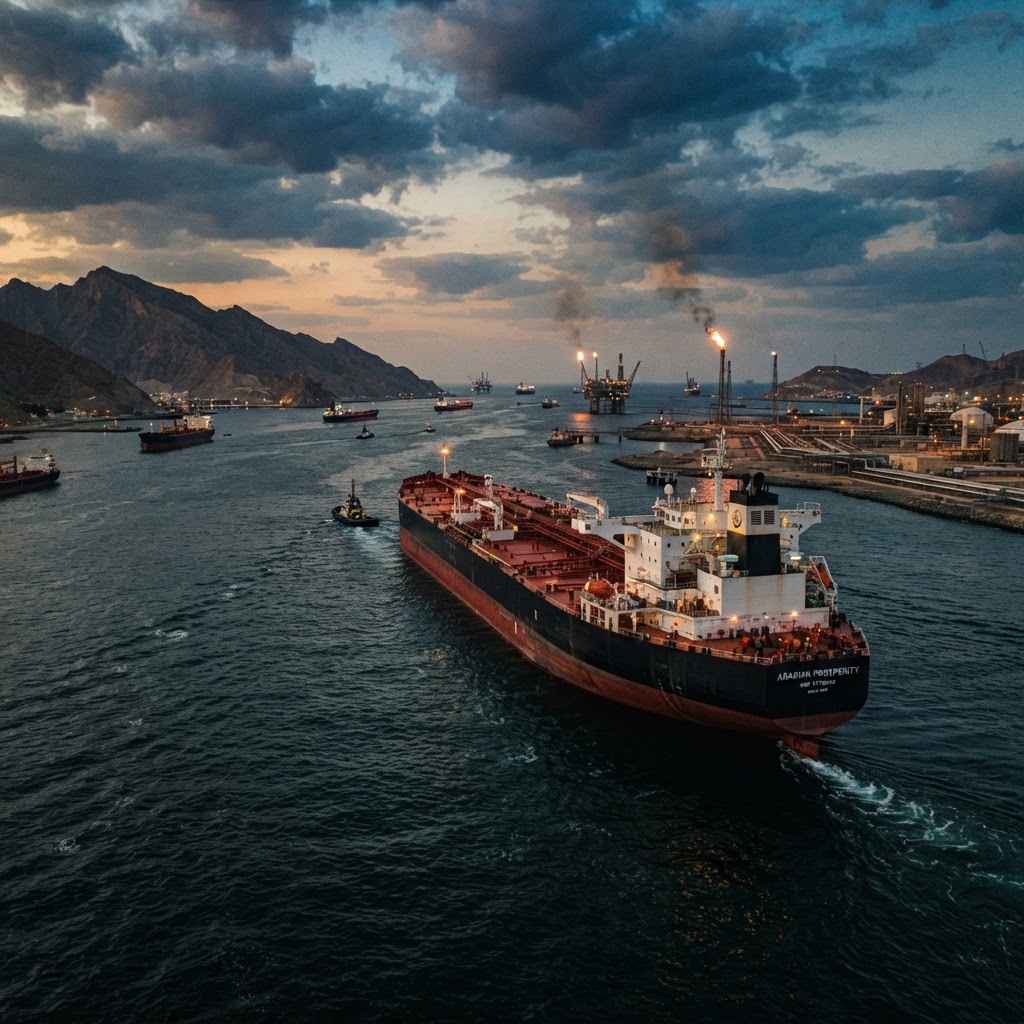
Recent fluctuations in shipping traffic through the Strait of Hormuz highlight the fragility of global energy supply chains and the need for strategic risk mitigation.
The Strait of Hormuz remains the world's most critical energy chokepoint, and recent developments have once again brought its vulnerability to the forefront of global market discourse. As we monitor the ebb and flow of tanker traffic, it is clear that the energy sector is operating in a state of heightened sensitivity. For those of us advising on capital investment and project risk, the current situation serves as a stark reminder that energy security is not a static condition but a dynamic challenge requiring constant vigilance.
Market Dynamics and Risk Assessment
The recent volatility in oil prices, driven by reports of shipping disruptions and ongoing regional tensions, has forced a re-evaluation of risk premiums in project finance. When a significant portion of global LNG and crude supply is subject to the stability of a single maritime corridor, the impact on project IRR (Internal Rate of Return) can be profound. Investors are increasingly demanding more robust contingency planning, including diversified logistics routes and enhanced security protocols for offshore assets. This is not merely a geopolitical issue; it is a fundamental engineering and operational concern.
Building Resilience in a Volatile Era
How should energy firms respond? The answer lies in strategic diversification and operational agility. We are seeing a shift toward localized energy solutions and the strengthening of regional storage capabilities to buffer against supply shocks. Furthermore, the integration of digital monitoring systems allows for real-time tracking of assets, providing operators with the data needed to make rapid, informed decisions during periods of instability. At Atticus Energy, we advocate for a 'resilience-first' approach to project development. This means stress-testing supply chains against various geopolitical scenarios and ensuring that infrastructure design accounts for potential disruptions. While the Strait of Hormuz will continue to be a vital artery for global energy, the industry must evolve to ensure that its reliance on this corridor does not become a systemic weakness. By prioritizing operational flexibility and investing in redundant infrastructure, the energy sector can better navigate the complexities of the modern geopolitical landscape.