Strategic Infrastructure: The Case for Regional Gas Interconnectivity
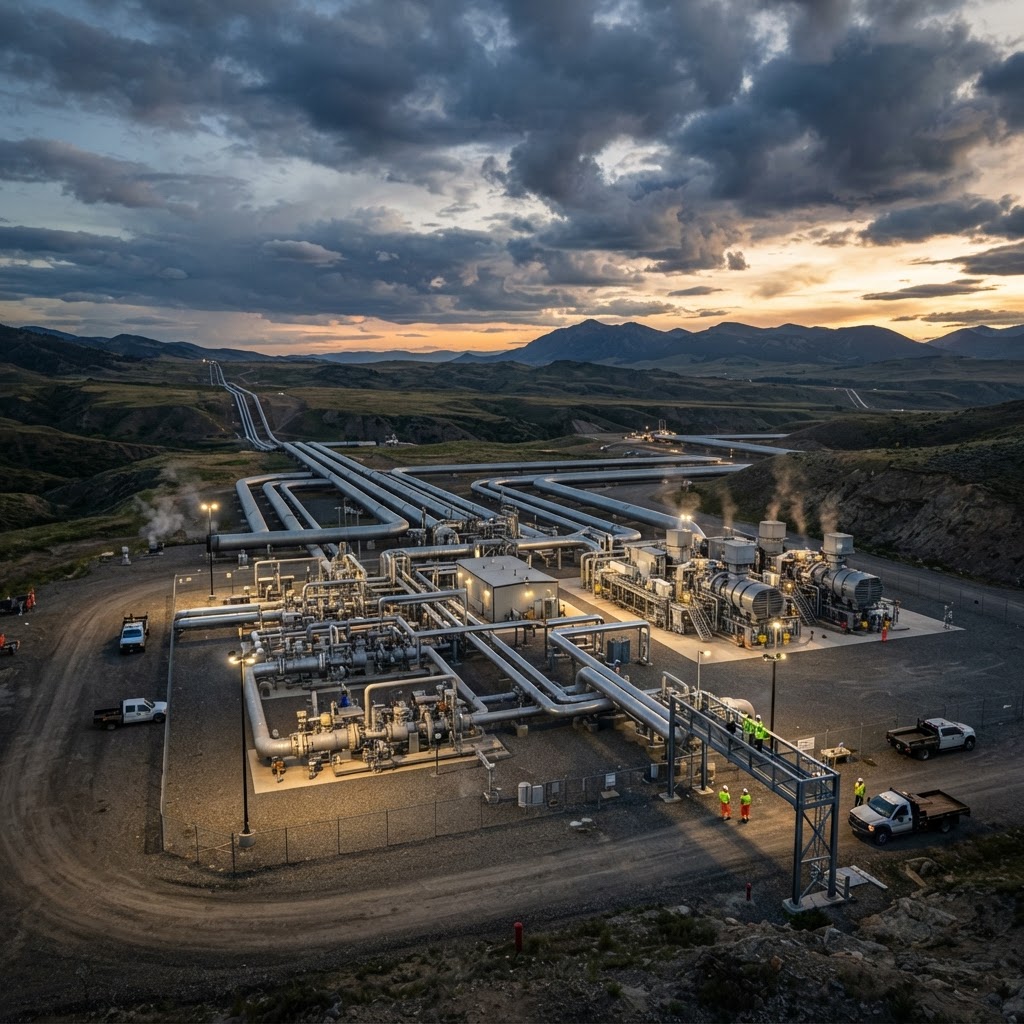
Egypt’s push for pipeline integration with Libya and the broader Mediterranean reflects a strategic pivot toward regional energy security and export optimization.
The recent diplomatic and technical push by Egypt to accelerate gas pipeline links with Libya marks a significant development in the regional energy landscape. As Cairo seeks to navigate the complexities of the current global LNG market, the focus on physical infrastructure connectivity is a pragmatic response to supply-side constraints. For Atticus Energy, this trend highlights a broader shift toward regional integration as a primary strategy for energy security.
Optimizing Regional Assets
Egypt’s unique position as a hub for liquefaction facilities in the eastern Mediterranean makes it a natural anchor for regional gas flows. By connecting Libyan production to these existing assets, the region can unlock stranded value and optimize the utilization of downstream infrastructure. This is not merely a matter of pipeline construction; it is an exercise in complex project delivery that requires harmonizing regulatory frameworks, technical standards, and cross-border operational agreements.
From an engineering standpoint, the rehabilitation of existing refineries and the development of new interconnection projects present significant opportunities for strategic advisory. We are seeing a move away from isolated national projects toward integrated regional networks. This approach allows for greater flexibility in supply management, enabling countries to balance domestic demand with export obligations more effectively.
The Future of Capital Projects
The scale of these ambitions—mirrored by the massive 6,800-km Nigeria-Morocco pipeline project—signals that large-scale, cross-border infrastructure remains a priority for capital investment. However, the success of these projects hinges on robust feasibility studies and clear, phased execution strategies. As consultants, our role is to bridge the gap between political ambition and technical reality, ensuring that these capital-intensive projects are built on sound economic foundations.
The integration of gas networks also serves as a bridge to the energy transition. By improving the efficiency of natural gas distribution, regional players can reduce flaring, optimize carbon footprints, and provide the reliable baseload power necessary to support the integration of renewables. As we look toward 2027, the focus for the Middle East and North Africa will be on creating a cohesive energy ecosystem. Those who can navigate the technical and geopolitical challenges of these cross-border projects will be the architects of the region's energy future.
Source: https://www.oilandgasmiddleeast.com/news/egypt-libya-gas-pipeline-talks