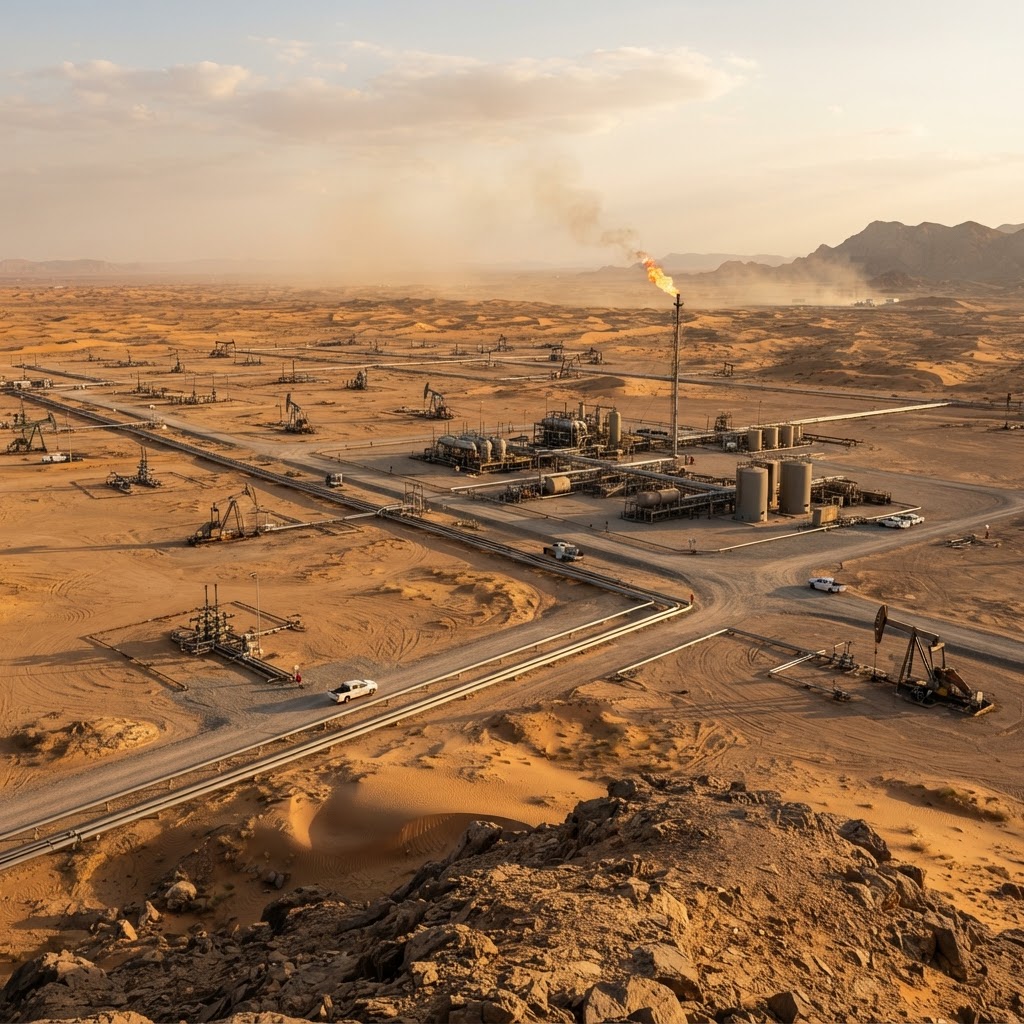
What goes into a field development plan
A field development plan joins subsurface, wells, facilities, operations and economics into one story. Regulators, partners and lenders all read it for different reasons.
The situation
A field development plan (FDP) sets out how a resource will be developed: subsurface description, well plan, facilities concept, export, costs, schedule, HSE, decommissioning and economics. It is often the key regulatory and investment document.
Why it matters
A field development plan (FDP) sets out how a resource will be developed and produced. It underpins regulatory approval, partner commitment and financing.

Typical contents
- Subsurface: geology, reservoir properties, volumes and production profiles with uncertainty.
- Wells: number, type, locations and drilling schedule.
- Facilities: processing, export routes, utilities and infrastructure.
- Concept selection: alternatives considered and why the chosen option was preferred.
- Operations and maintenance: organisation, strategies and costs.
- HSE: environmental and social impacts, safety approach and mitigation.
- Decommissioning: end-of-life plans and provisions.
- Economics: capital and operating costs, revenues and sensitivities.
Telling one story
The most common weakness is sections written in isolation. Profiles should match facility capacity, schedules should match drilling plans, and costs should match the scope.
Flexibility
Show how the plan can adapt to upside or downside cases, for example space for extra wells or phased facility expansion.
Key Takeaways
- Join subsurface, wells, facilities and economics into one story.
- Show alternatives and why the concept was selected.
- Make profiles, schedules and costs consistent.
- Build in flexibility for upside and downside.
How Atticus helps
We prepare and review field development plans and concept selection reports, with a focus on facilities and integration.
Real-world examples
facilities sized on P10 reserves
An FDP sized the facilities on optimistic reserves. Production plateaued well below capacity, leaving costly unused equipment and higher unit costs.
missing decommissioning provision
An FDP left decommissioning costs out of its economics. When the regulator required financial security later, project value fell sharply.
If you get it wrong
- Over- or under-sized facilities.
- Regulatory rejection or delays.
- Value erosion from poor concept choice.
- Unfunded decommissioning liabilities.
Relevant standards
Links go to the publisher's official page (ISO, IEC, BSI, API, NFPA, HSE and others). Most standards must be bought from the publisher.
- ISO 20815:2026 — Production assurance and reliability managementiso.org
- ISO 15663:2021 (EN ISO 15663) — Life cycle costingiso.org
- ISO 17776:2016 — Major accident hazard management during designiso.org
- ISO 31000:2018 (BS ISO 31000) — Risk management guidelinesiso.org
Further reading
Take this briefing with you
A one-to-two page PDF summary: situation, diagram, key takeaways, consequences, examples and standards.